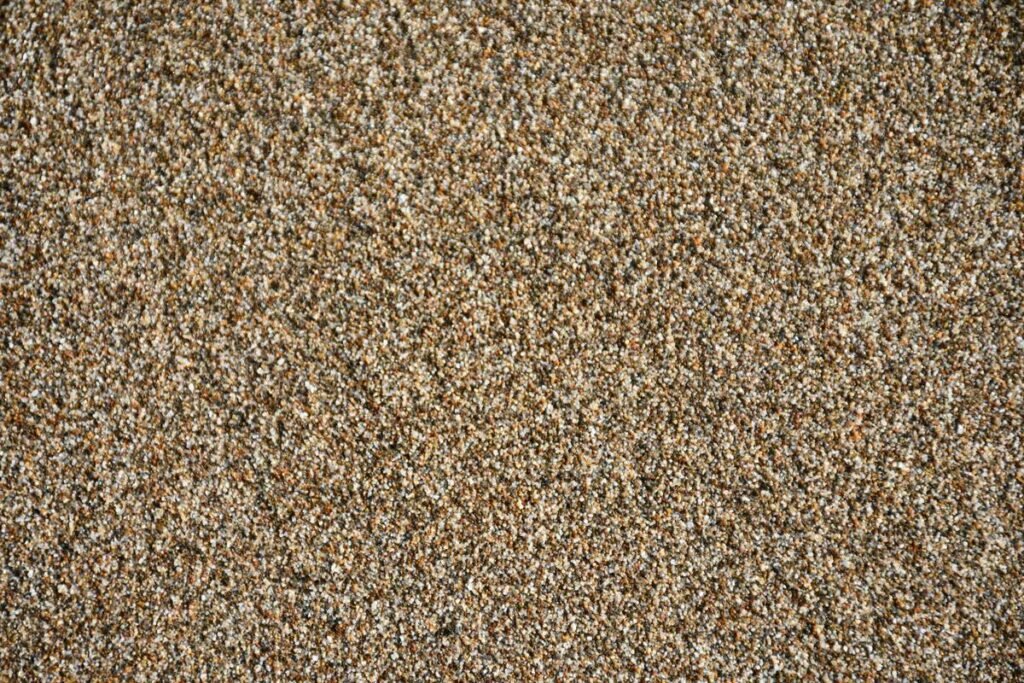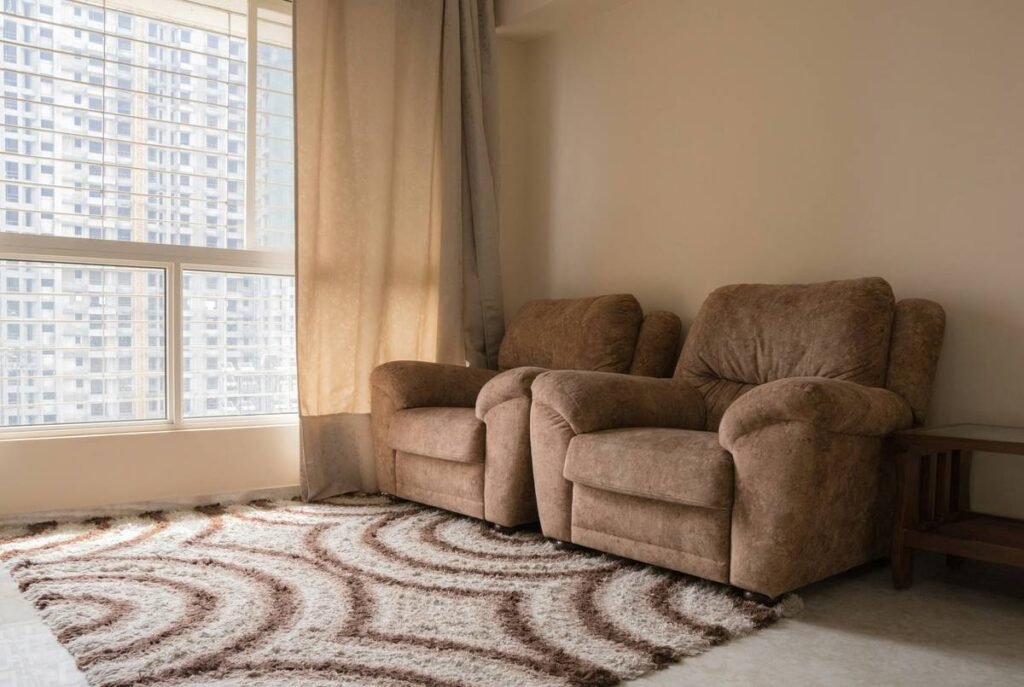
Flooring fatigue is real. You’ve seen the same tired, oatmeal-colored Berber carpets in every model home and rental unit—durable, yes, but soul-crushingly dull. They repel stains but attract yawns. The good news? modern berber carpet patterns have evolved far beyond monochrome monotony. Today’s iterations blend texture, tone, and tech to deliver style that actually stands out—without sacrificing an ounce of resilience.
The Core Problem: Why Traditional Berber Falls Flat
Classic Berber was engineered for utility, not aesthetics. Tight loop piles, synthetic fibers (usually olefin), and a rigid grid of neutral tones made it the go-to for high-traffic zones—and the bane of design enthusiasts. It hides dirt well. But it also hides personality.
And here’s the kicker: most homeowners don’t realize alternatives exist. They assume “Berber” equals beige box. That assumption keeps their floors stuck in 1998.
How to Choose & Install Modern Berber Carpet Patterns That Wow
Forget what you think you know. Modern Berber isn’t just about loops—it’s about dimension, contrast, and intentional imperfection.
Step 1: Ditch Monotone—Embrace Multi-Tone Yarns
Today’s premium Berbers weave together two or three complementary shades in a single strand. Charcoal with slate gray. Warm taupe with oat. Even subtle blues with greige. This creates instant depth—no pattern needed.
Step 2: Play With Loop Height & Density
Varied loop heights add tactile intrigue. Low-pile for sleek minimalism. Medium for classic comfort. High-density tight loops still rule for durability—but now they come in moody, contemporary palettes.
Step 3: Match Subfloor & Padding Correctly
Berber’s stiffness demands proper underlayment. Too soft? Loops collapse prematurely. Too hard? Footfall feels jarring. Use a firm rebond pad (6–8 lbs density) over wood; vapor barrier + cushion over concrete.
| Fiber Type | Durability (1–10) | Stain Resistance | Best For | Avg. Cost/Sq.Ft |
|---|---|---|---|---|
| Nylon (solution-dyed) | 9 | Excellent | Homes with pets/kids | $4.50–$7.00 |
| Olefin (standard) | 6 | Very Good | Basements, rentals | $2.00–$3.50 |
| Wool/Nylon Blend | 8 | Good (needs treatment) | Luxury spaces, low traffic | $8.00–$12.00 |
Step 4: Seam Strategically—Or Avoid Them Altogether
Berber’s linear texture makes seams glaringly obvious if cut wrong. Always run seams parallel to natural light sources. Better yet: choose room dimensions that allow full-width installation. Yes, it costs more. But seamless = serene.
The Industry Secret: Designers Use Berber as a “Textural Anchor”
Here’s what no retailer will tell you: top interior designers deliberately spec modern Berber not as a default—but as a grounding element. Its nubby surface absorbs visual noise, letting bold wall colors or statement furniture shine without chaos. Think of it like a neutral canvas with built-in grip. In open-plan lofts or minimalist spaces, it’s the silent hero preventing sterility. And because newer versions resist crushing better than plush piles, they maintain that crisp foundation for years. The math is simple: spend more upfront on textured, multi-hued Berber—save thousands later avoiding premature replacement.
Frequently Asked Questions
Are modern berber carpet patterns suitable for high-moisture areas like basements?
Only if paired with moisture-resistant backing and installed over a vapor barrier. Olefin-based Berbers perform best here—but avoid wool blends entirely.
Can I vacuum modern berber carpets daily without damage?
Yes—but disable the beater bar. Berber loops snag easily on rotating brushes. Use suction-only mode or a carpet rake designed for loop piles.
Do modern berber carpet patterns show footprints or vacuum marks?
Far less than cut-pile styles. Their uniform loop structure resists matting. Multi-tonal yarns further camouflage compression shadows.