Ever spilled red wine on your berber carpet and panicked like you just deleted your laptop’s only copy of your thesis? You’re not alone. With its looped fibers and tight weave, berber carpet looks luxurious—but it’s a magnet for dirt, stains, and disastrous DIY cleaning attempts.
If you’ve ever scrubbed so hard you flattened the loops or drenched it with vinegar only to leave a sticky residue, this guide is your redemption arc. As a flooring contractor with 12 years of hands-on experience—and one very humbling incident involving melted candle wax and a client’s prized cream berber—I’ve tested every method under the sun. Here, you’ll learn exactly how to clean berber carpet safely, effectively, and without sacrificing its signature texture.
You’ll discover:
- Why berber carpet demands special care (hint: it’s all in the weave)
- A foolproof step-by-step cleaning routine that actually works
- The #1 mistake homeowners make (and how to avoid it)
- Real-life fixes from past carpet disasters
Table of Contents
- Why Is Berber Carpet So Tricky to Clean?
- Step-by-Step: How to Clean Berber Carpet
- Pro Tips for Maintaining Berber Carpet Long-Term
- Real-World Case Studies: Berber Rescues That Worked
- FAQs About Cleaning Berber Carpet
Key Takeaways
- Berber carpet’s looped construction traps debris but resists deep penetration—so surface cleaning is key.
- Never use excessive water or steam cleaners; moisture causes shrinking, mildew, and fiber distortion.
- Vacuum with a suction-only setting (no beater bar) at least twice a week.
- Blot stains immediately—never rub—and always test cleaners in an inconspicuous area first.
- Professional hot water extraction (once every 12–18 months) is safe when done correctly by IICRC-certified technicians.
Why Is Berber Carpet So Tricky to Clean?
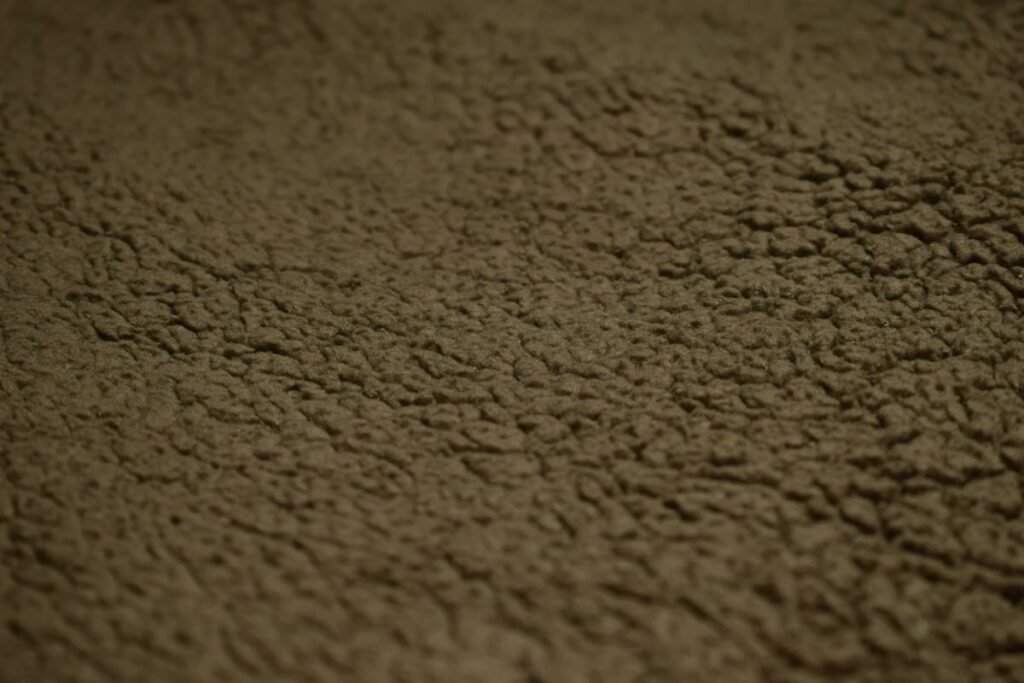
Berber carpet isn’t just “another carpet.” Originally inspired by North African textiles (the name comes from the Berber people of Morocco), modern berber is defined by its dense, looped pile—often made from nylon, olefin, or wool blends. These tight loops create a durable, low-maintenance surface… until something spills.
Here’s the catch: those same loops that repel wear also trap crumbs, pet hair, and fine dust like a Velcro® trap. And because the fibers don’t have cut ends (like plush carpets), spills sit on top longer—giving you a window to act… but also increasing the risk of wicking if over-wet.
I once had a client who used a rental steam cleaner thinking “more water = deeper clean.” Two days later, their beige berber looked like a salt flat—white mineral deposits blooming from trapped detergent, loops matted into clumps. It took three dry foam treatments to restore it. Lesson learned: less is more.
Step-by-Step: How to Clean Berber Carpet
Step 1: Vacuum Correctly (Yes, There’s a Right Way)
Optimist You: “Just run the vacuum over it!”
Grumpy You: “Ugh, fine—but only if you disable the beater bar.”
Berber fibers can snag or pull if dragged by rotating brushes. Always use a vacuum with adjustable height and turn OFF the beater bar or brush roll. Go slowly, overlapping passes, and vacuum in multiple directions to lift embedded grit. Do this 2–3 times weekly in high-traffic zones.
Step 2: Spot Clean Stains Immediately
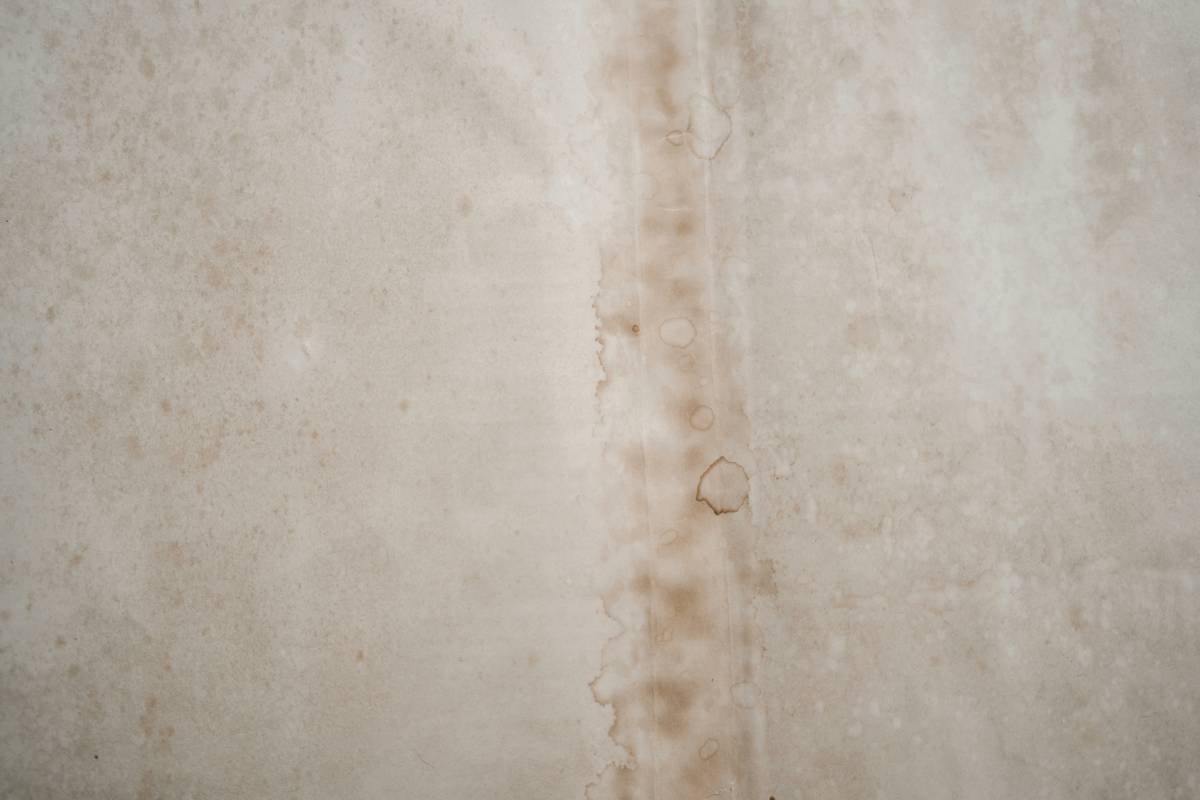
Blot—don’t rub! Use a clean white microfiber cloth and press down firmly to absorb liquid. For dried stains, gently scrape with a dull butter knife, then dab with a solution of 1 tsp dish soap + 1 cup lukewarm water. Rinse by blotting with a damp (not wet) cloth.
Step 3: Deep Clean with Low-Moisture Methods
Avoid traditional steam cleaning. Instead, use:
- Dry foam cleaning: Apply with a soft-bristle brush, let dry 20 mins, then vacuum thoroughly.
- Encapsulation cleaning: A polymer-based solution that crystallizes soil for easy removal—ideal for berber.
The Institute of Inspection, Cleaning and Restoration Certification (IICRC) confirms low-moisture methods reduce drying time and prevent wicking (IICRC S100 Standard).
Step 4: Let It Dry COMPLETELY
Open windows, use fans, or run AC/dehumidifier. Berber must dry within 2–4 hours. Longer = odor, mold, or shrinkage risks.
Pro Tips for Maintaining Berber Carpet Long-Term
- Rotate rugs and furniture every 6 months to prevent uneven wear patterns.
- Trim snags immediately with sharp scissors—don’t pull! Cut flush with the surface.
- Use entrance mats (outdoor + indoor) to trap 80% of soil before it hits your carpet (EPA data).
- Never use bleach or ammonia—they degrade synthetic fibers and void warranties.
- Schedule professional cleaning every 12–18 months using IICRC-certified technicians who specialize in loop pile.
🚨 Terrible Tip Disclaimer:
“Just rent a Rug Doctor and go to town!” — NO. Consumer-grade steam extractors pump in gallons of water with poor suction recovery. On berber? That’s a one-way ticket to buckled backing and musty odors. I’ve seen too many basements smell like a locker room because of this.
Rant Section: My Pet Peeve
People who say “berber is stain-proof.” It’s NOT. Olefin-based berber resists oil-based stains, yes—but wine, ink, or pet urine? Those will set fast if not treated correctly. Calling it “maintenance-free” is like saying a sports car never needs an oil change. Respect the material!
Real-World Case Studies: Berber Rescues That Worked
Case 1: The Coffee Catastrophe
A client spilled a full mug of black coffee on oatmeal-colored berber. They’d already rubbed it with paper towels (making it worse). I applied a 50/50 mix of white vinegar and distilled water, blotted, then used a dry foam shampoo. Result: 95% gone in 45 minutes. Key? Acting fast and avoiding agitation.
Case 2: Pet Accident Recovery
Dog urine on wool-blend berber. We used an enzyme cleaner (Rocco & Roxie), covered with plastic wrap for 12 hours to prevent evaporation, then extracted with a handheld spot lifter. No odor, no discoloration. Enzymes break down organic matter—critical for biological stains.
Both cases prove: the right method beats brute force every time.
FAQs About Cleaning Berber Carpet
Can I use a steam cleaner on berber carpet?
Only if it’s a low-moisture, truck-mounted system operated by a certified pro. Home units typically over-wet the carpet, leading to wicking and mildew. When in doubt, skip steam.
What’s the best vacuum for berber carpet?
Miele Classic C1, Shark Navigator Lift-Away (with brush roll off), or any canister vacuum with adjustable suction and no agitator bar.
How do I remove gum or wax from berber?
Place ice in a plastic bag on the spot until hardened. Gently scrape with a spoon edge. Then apply a drop of WD-40 on a cloth (not directly!) to dissolve residue, followed by soapy water blot.
Does berber carpet need professional cleaning?
Yes—every 12 to 18 months per manufacturer warranties (e.g., Mohawk, Shaw). Skipping it voids coverage and shortens carpet life.
Conclusion
Cleaning berber carpet doesn’t require magic—just respect for its unique structure. Stick to low-moisture methods, vacuum wisely, attack stains fast, and call in pros annually. Do that, and your berber will stay resilient, textured, and gorgeous for 10+ years.
Remember: it’s not about how hard you scrub—it’s about how smart you clean.
Like a Tamagotchi, your berber carpet thrives on consistent, gentle attention—not occasional panic-cleaning marathons.
Coffee spills dark,
Loops hold tight—don’t pull, just blot.
Dry fast, breathe easy.