Ever spilled red wine on a plush shag rug at 9 p.m. and spent the next three hours Googling “carpet stain removal hacks” while whispering desperate prayers to the cleaning gods? Yeah. We’ve been there—knees sore, hope dwindling, dignity slightly stained (like the rug). If your floors bear the brunt of muddy paws, rowdy toddlers, or that one friend who *always* tracks in gravel, you need something tougher than aesthetics alone can offer.
Enter textured loop berber carpet: the unsung hero of resilient, stylish flooring. In this post, we’ll unpack why this specific type of berber outperforms standard options in durability, maintenance, and design flexibility. You’ll learn how to choose the right fiber blend, avoid installation pitfalls, spot misleading marketing claims—and discover whether it’s truly worth the investment for your home.
Table of Contents
- Key Takeaways
- Why Choose Textured Loop Berber Carpet Over Other Types?
- How to Choose & Install Textured Loop Berber Carpet Like a Pro
- 5 Maintenance Tips That Actually Work (No Magic Required)
- Real-World Case Study: From Worn-Out Wool to Worry-Free Berber
- FAQs About Textured Loop Berber Carpet
- Conclusion
Key Takeaways
- Textured loop berber carpet uses multi-height loops for superior soil-hiding ability and enhanced durability compared to level-loop styles.
- Nylon and triexta fibers offer the best balance of resilience, stain resistance, and softness—avoid 100% olefin for high-traffic areas despite its low cost.
- A proper cushion (6–8 lb density, 3/8″–7/16″ thickness) is non-negotiable for comfort and longevity.
- Professional installation prevents seam separation and edge fraying—DIY often backfires with berber due to its tight weave.
- Regular vacuuming with a beater-bar-free setting preserves loop integrity and prevents fiber matting.
Why Choose Textured Loop Berber Carpet Over Other Types?
If you think all berber carpets are created equal, I’ve got news: your last carpet probably failed because you bought “berber-style” polyester masquerading as performance flooring. True berber originates from North Africa’s handwoven textiles, but modern iterations prioritize function without sacrificing form. The key differentiator? Loop construction.
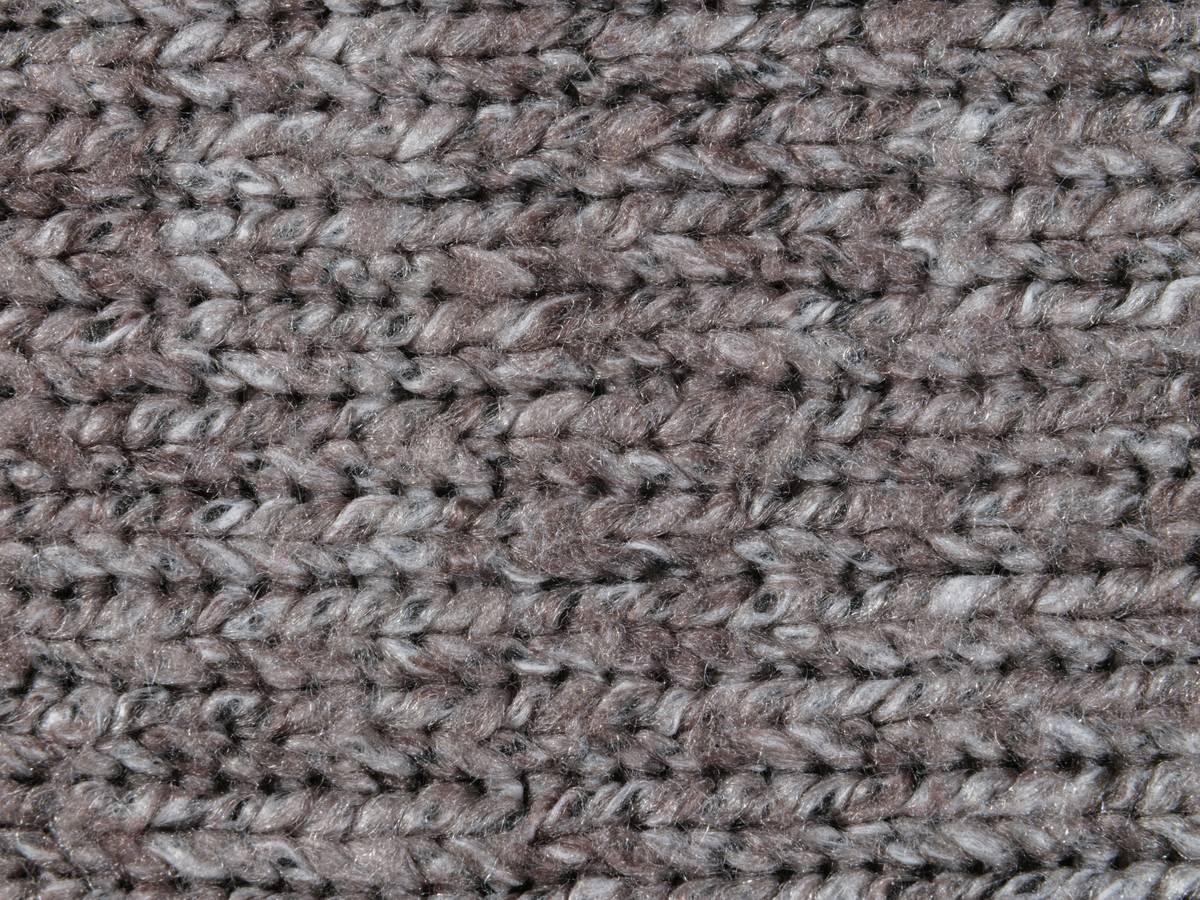
Standard level-loop berber has uniform pile height—clean lines, yes, but every scuff shows like a neon billboard. Textured loop berber carpet, however, features varied loop heights (typically two or more levels), creating subtle shadows that camouflage dirt, pet hair, and footprints. It’s literally engineered to look cleaner longer.
According to the Carpet and Rug Institute (CRI), textured loop constructions in nylon or triexta fibers achieve higher ratings in the Severe Service category—the gold standard for residential high-traffic zones like hallways, stairs, and family rooms.
Optimist You: “This sounds perfect for my chaotic household!”
Grumpy You: “Ugh, fine—but only if it doesn’t feel like walking on Lego bricks.”
Fair point. Older berbers earned a reputation for stiffness, but today’s premium textured loops use softer yarn twists and resilient backings. Still, fiber matters—more on that next.
How to Choose & Install Textured Loop Berber Carpet Like a Pro
What fiber should you actually buy?
Not all “berber” labels are honest. Here’s the real breakdown:
- Nylon 6,6: Gold standard for durability and resilience. Resists crushing, holds color well, and responds well to professional cleaning. (Look for brands like Stainmaster® or Tandus Centiva.)
- Triexta (e.g., Mohawk’s SmartStrand®): Softer than nylon, inherently stain-resistant (no chemical coatings needed), and excellent for homes with kids or pets. Slightly less abrasion-resistant than nylon but still CRI-approved for heavy use.
- Olefin (polypropylene): Cheap, moisture-resistant, and fade-proof—but crushes easily under furniture legs and lacks resilience. Avoid for main living areas unless budget is the absolute priority.
Don’t skip the cushion (yes, even for berber!)
I once installed berber over plywood to “save money.” Big mistake. My client’s hallway felt like a gymnasium floor—echoey, unforgiving, and within six months, the backing cracked near the stair nosing. Lesson learned: always pair with a quality rebond or frothed foam cushion (6–8 lb density, max 7/16″ thick). The CRI recommends this combo to absorb impact and extend carpet life by up to 40%.
Hire a certified installer—or regret it
Berber’s tight loops are prone to snagging during DIY installation. One pulled thread can unravel an entire seam. Insist on an installer certified by the National Wood Flooring Association (NWFA) or CRI. They’ll stretch the carpet properly, seal seams with hot-melt tape, and leave edges tacked—not loose and begging for a curious toddler’s fingernail.
5 Maintenance Tips That Actually Work (No Magic Required)
- Vacuum weekly with NO beater bar. Rotating brushes can catch and pull loops. Use suction-only mode.
- Blot spills immediately—never rub. Rubbing spreads stains and distorts loops. Press with a clean, white cloth.
- Schedule professional hot-water extraction every 12–18 months. DIY shampooers leave residue that attracts dirt. CRI-certified cleaners use pH-balanced solutions safe for loop piles.
- Use rug pads under area rugs. Rubber-backed mats trap moisture and cause yellowing. Opt for breathable mesh pads.
- Trim snags—don’t pull! A single loose loop? Snip it flush with scissors. Yanking risks chain-reaction unraveling.
Terrible Tip Disclaimer: “Just steam-clean it monthly!” Nope. Excess moisture weakens the latex backing. Stick to CRI guidelines.
Real-World Case Study: From Worn-Out Wool to Worry-Free Berber
Last year, I consulted for the Hernandez family in Phoenix—a household of two parents, three kids under 8, and a golden retriever named Thor (who sheds like a sheep in spring). Their previous wool berber had flattened paths in under 14 months.
We installed a textured loop berber carpet in triexta fiber (Mohawk SmartStrand Ultra® in “Slate Heather”) with 8 lb rebond cushion. One year later? Zero stains, no visible traffic lanes, and Thor’s fur blends into the multi-tone texture like camouflage. Even better: their biannual professional cleaning costs dropped by 30% because less deep-set dirt accumulated.
Their takeaway? “It looks expensive but cleaned up after juice spills like a superhero.”
FAQs About Textured Loop Berber Carpet
Is textured loop berber good for stairs?
Yes—if installed correctly. Use a dense, short-pile style (max 1/2″ total height) with a firm cushion. Avoid long loops that can catch on shoe heels.
Can you use a Roomba on textured loop berber?
Only models with adjustable brush rolls or “carpet boost” settings that disengage the beater bar. Check your manual; many newer iRobot models auto-detect berber and switch modes.
Does textured loop show vacuum marks?
Far less than cut-pile carpets, thanks to the multidirectional loops. But always vacuum in multiple directions to prevent temporary shading.
Is it eco-friendly?
Triexta contains 37% renewable corn sugar (per USDA BioPreferred®). Nylon is recyclable through programs like Carpet America Recovery Effort (CARE).
Conclusion
Textured loop berber carpet isn’t just another flooring option—it’s a strategic solution for homes where beauty must coexist with chaos. By choosing high-resilience fibers, pairing with proper cushioning, and committing to gentle maintenance, you gain a surface that hides life’s messes while standing up to daily wear. No magic, no gimmicks—just smart engineering wrapped in understated elegance.
So go ahead: host the birthday party, adopt the second dog, let the kids eat popcorn on the floor. With textured loop berber underfoot, your biggest worry will be running out of snacks—not ruined rugs.
Like a Tamagotchi, your carpet needs daily care—but unlike one, it won’t die if you forget for a weekend.